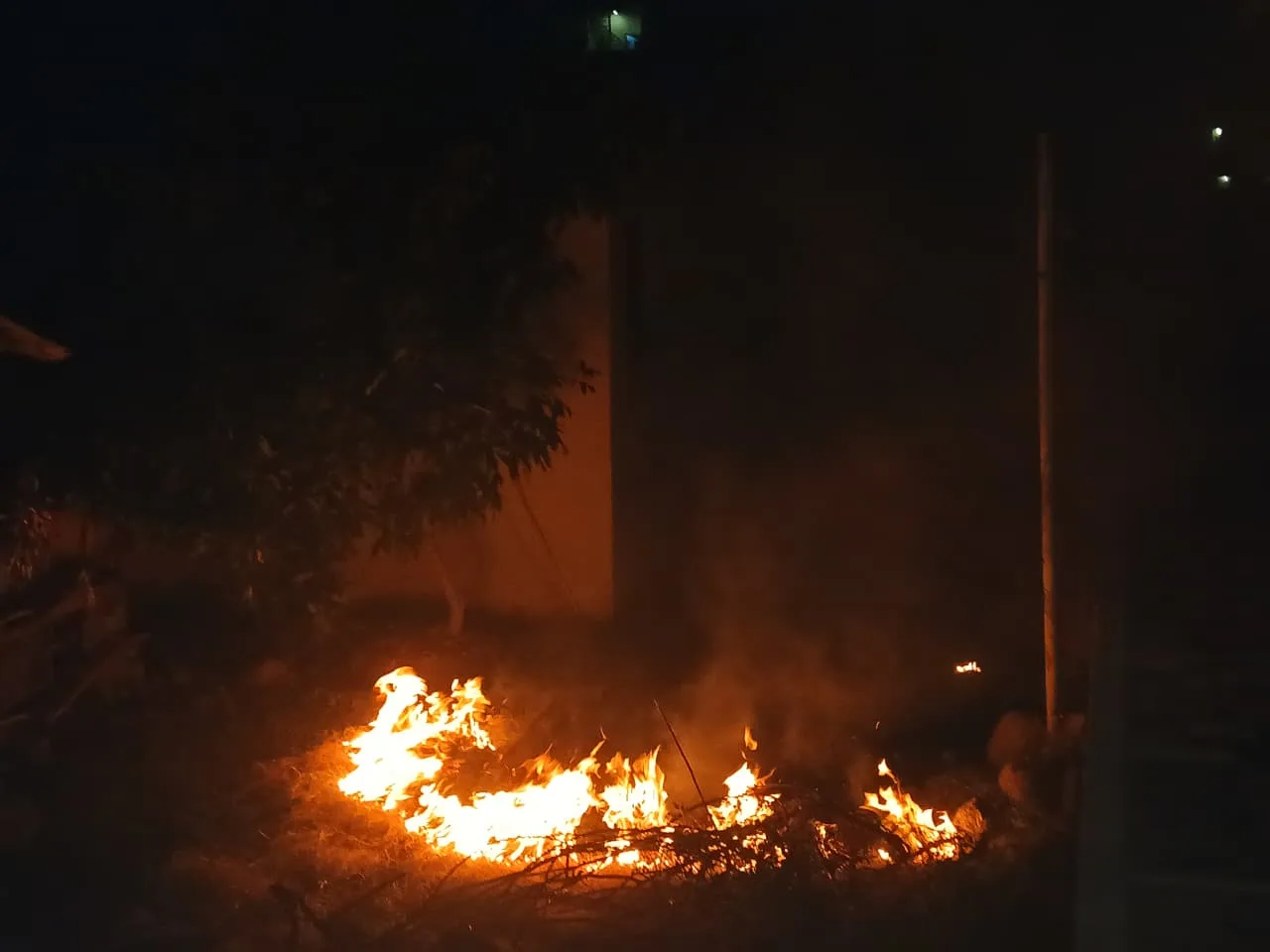
“The very same forest that gives us air to breathe when set into fire can make adverse effect on our respiratory tract.”
Forest burnt, breath choked
Night had already fallen when this forest was set into fire, flames crawling through dry brush, smoke rolling into the dark before anyone could stop it.
It looks small here, almost contained.
But this is how most of Nepal's forest fires begin. Nepal's fire season runs roughly February through April, when dry winter leaf litter and pre-monsoon heat turn forests into fuel.
Many fires are deliberately lit to clear undergrowth or encourage new grass for livestock which then spread out of control.
Nepal recorded over 8,000 forest fire alerts in 2021 alone, among the worst seasons on record.
These fires release huge volumes of CO₂, carbon monoxide, and fine particulate matter, often pushing air quality of place at greater distance into hazardous levels even when fires burn far away from that place. The damage isn't only smoke.
Fires destroy nesting grounds and food sources, forcing wildlife like deer, birds, even endangered species like the red panda toward human settlements, or killing them outright. This fire will likely be out by morning.
What it leaves behind in the air and the forest won't clear nearly as fast.
Contributor
@but-try-amit
Badge
Community Air Protector
Continue browsing
Related memories
Nature is Healing
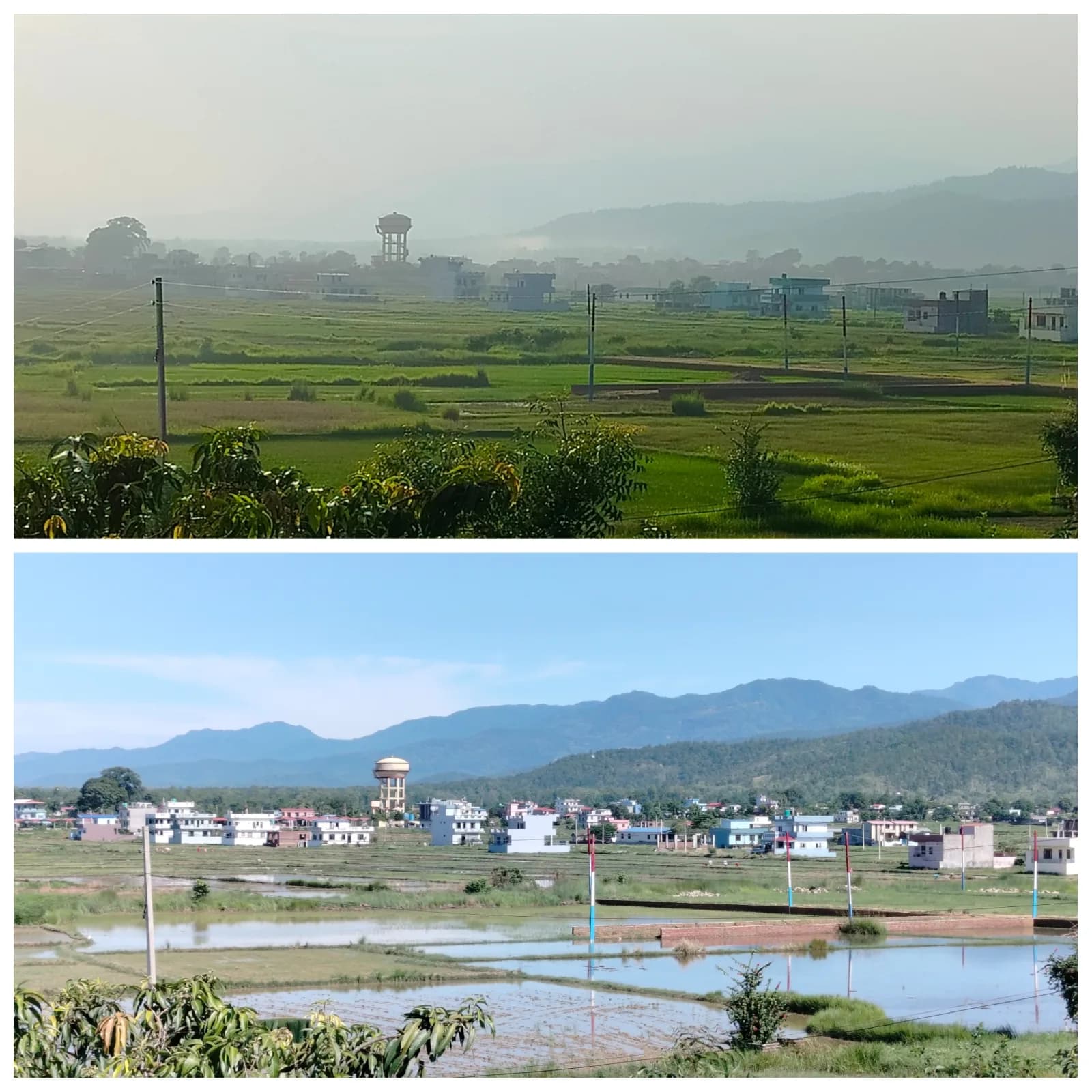
"The Rain Effect: The AQI of Sainamaina Dropped to 46 From 165. Massive Relief!!"
This two images of Sainamaina represents the massive change in air because of rainfall. The upper image, which I have already uploaded in Safahawa with the caption as "Rain Couldn'
a quiet road
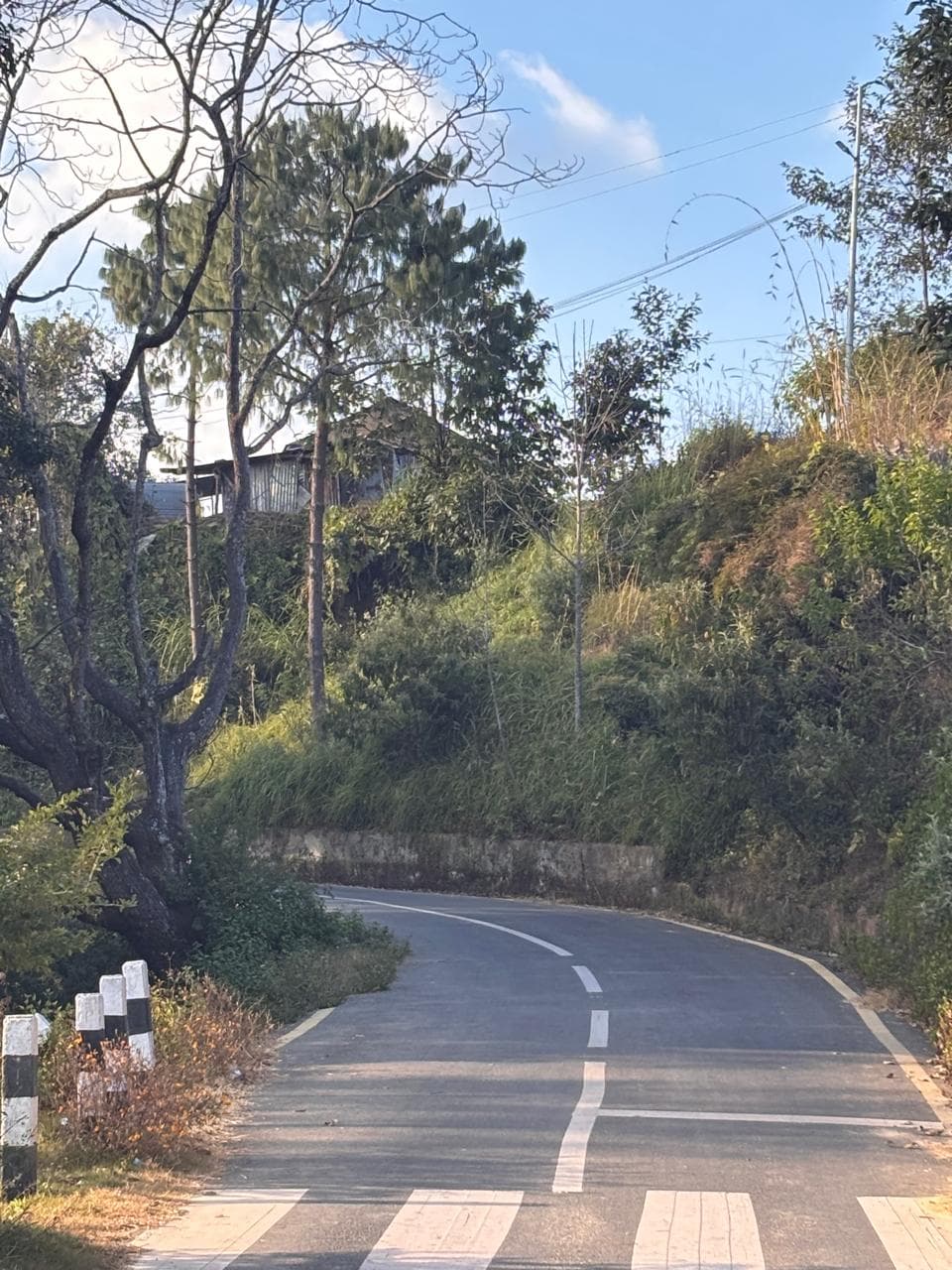
"A quiet road flanked by trees, where clean air and dappled sunlight slow the city’s pace."
A lone road stretches into the morning light, empty of cars, each side framed by a row of tall trees whose leaves murmur like quiet guardians. The air here tastes of green — cool,
A village without pollution
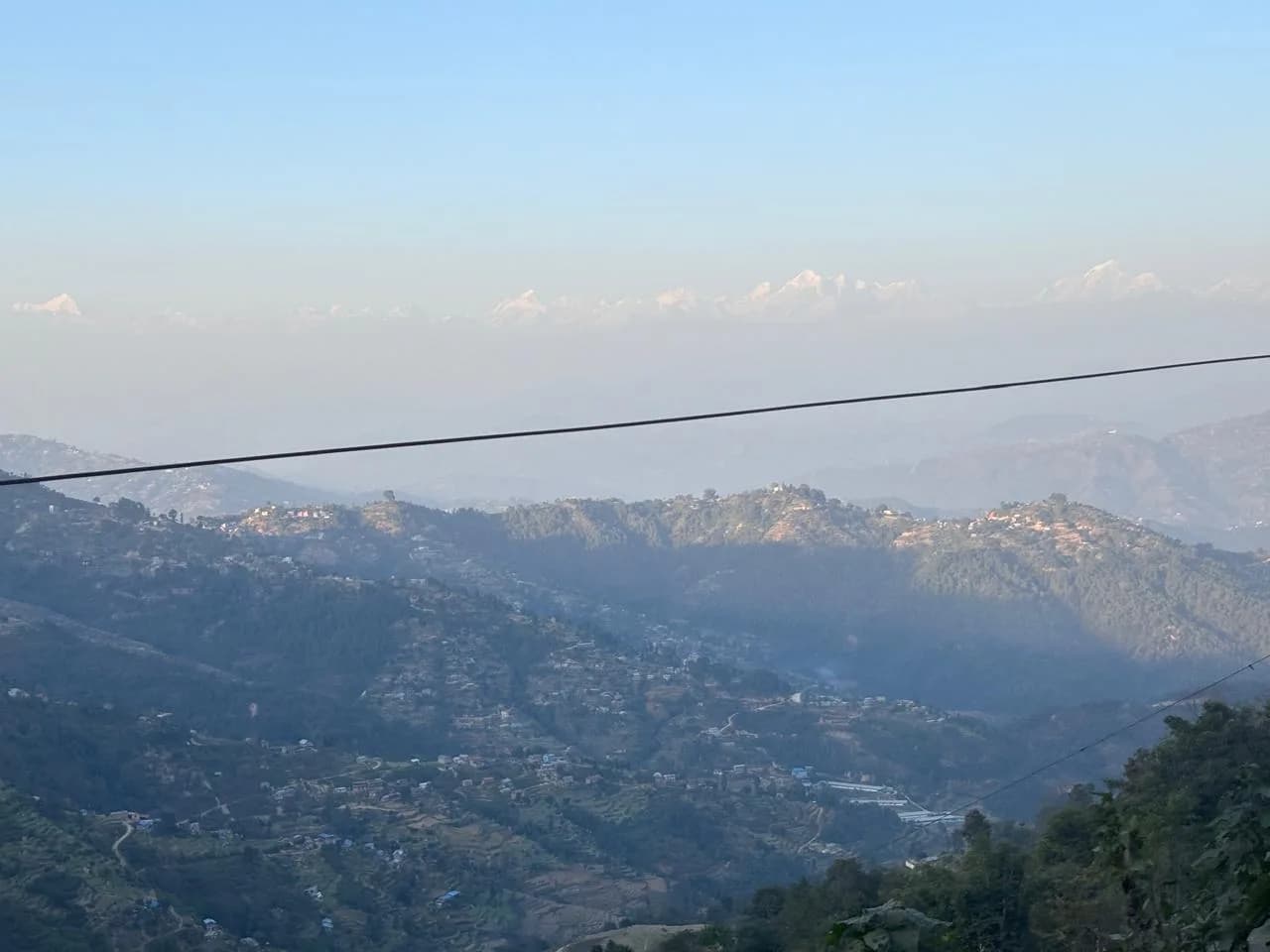
"a village does not need an air purifier for clean air"
Anshu woke each morning to cool, clear air after the village stopped open burning and switched to clean stoves and composting. Children played without coughing, the river ran clear